
Want to reach a supervisor ?
To keep the selection process fair for every candidate, a few rules apply:
- Keep it scientific. Contact should be limited to discussing the research topic, the supervisor’s expertise, or the infrastructure available.
- No help drafting your proposal. Supervisors cannot contribute to writing or reviewing your application.
- No pre-approval needed. Neither the supervisor nor their host institution can approve your application in advance.
- No role in selection. Supervisors are not involved in evaluating or recruiting candidates. That decision belongs entirely to the independent evaluation panel.
This ensures the process stays open, transparent, merit-based and impartial for everyone; in line with the European Charter for Researchers and the requirements of the MSCA-COFUND programme.
Energy transition: renewables, grids, storage, hydrogen, energy efficiency, and decarbonized heat
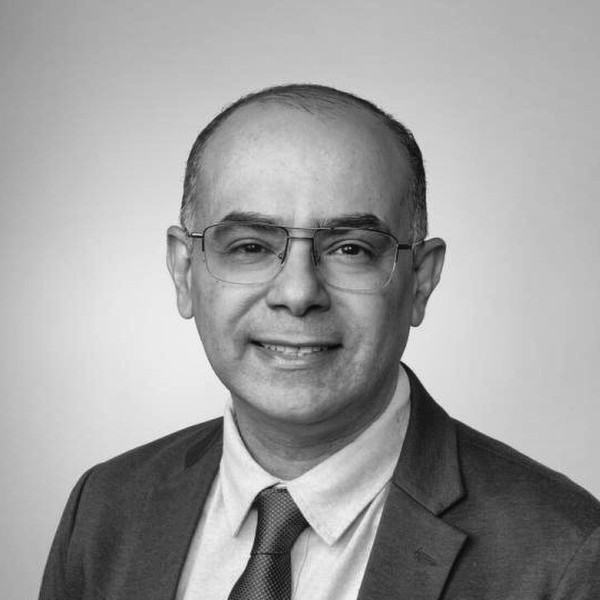
BA DEEB Ramez
Associate Professor
Energy and Environmental Economics
Modal Title
BA DEEB Ramez
Accomplished researcher with a proven track record and a strong international reputation in energy and environmental economics, consistently publishing in top-tier, peer-reviewed journals. Appeared in the list of top Ten economics authors in Finland according to IDEAS in 2026. Won several teaching excellence Awards for innovative teaching. Former macroeconomist at several think tank institutions, with experience in macroeconomic analysis and policy-related research.
Envisaged research project(s) for hosting a C4W fellow
I will be interested in collaborative work on energy efficiency and energy transition from an economic perspective, including their implications for climate vulnerability and resilience.
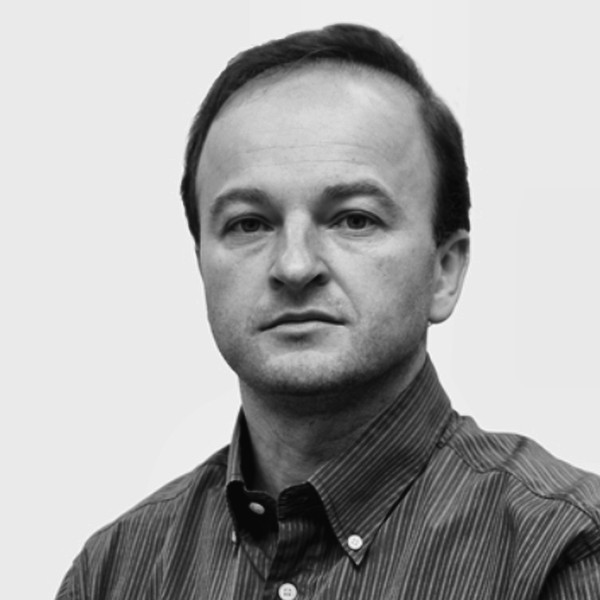
BELJONNE David
FNRS Research Director
Laboratory for chemistry of novel materials
Modal Title
BELJONNE David
David Beljonne is an FNRS Research Director and professor at the University of Mons (UMONS), where he leads research in theoretical and computational materials chemistry. He obtained his PhD in chemistry from the University of Mons in 1994 under the supervision of Jean-Luc Brédas and subsequently held postdoctoral positions at the Universities of Cambridge and Rochester. His research focuses on understanding the relationships between molecular organisation and the electronic, optical and transport properties of organic and hybrid materials. By combining quantum-chemical, atomistic and mesoscale modelling, he has made major contributions to organic electronics, photovoltaics, exciton and charge transport, and emerging energy materials. He has co-authored more than 600 scientific publications and is widely recognised as one of the leading researchers in computational materials science.
Envisaged research project(s) for hosting a C4W fellow
Predictive control of the hydration–charge–damage trilemma in organic semiconductors for sustainable solar chemistry
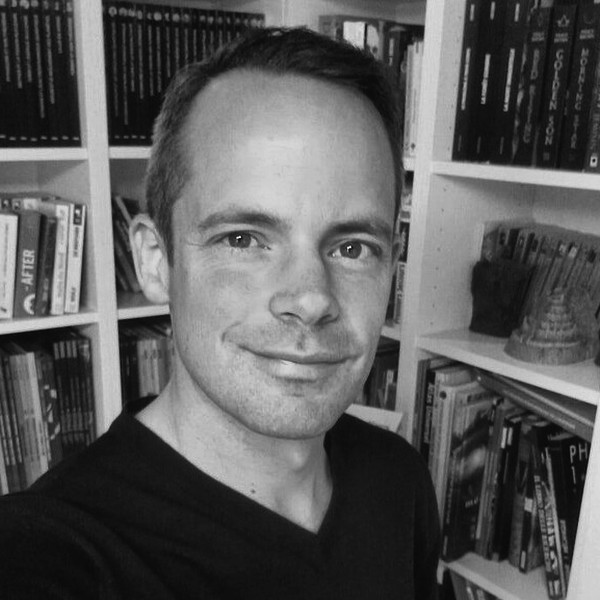
DE GREVE Zacharie
Full Professor
Electrical Power Engineering Unit
Modal Title
DE GREVE Zacharie
Zacharie De Greve received the Electrical and Electronics Engineering degree from the Faculty of Engineering, University of Mons, Mons, Belgium, in 2007. He was a Research Fellow of the Belgian Fund for Research (F.R.S/FNRS) until 2012, when he got the Ph.D. degree in electrical engineering from the University of Mons. He is currently Professor with the Electrical Power Engineering Unit of the same university. He is the general coordinator of the Erasmus Mundus Joint Master in Smart Cities and Communities (SMACCs, www.smaccs.eu) since 2019, involving University of Vaasa as a partner. His main research interests deal with the optimal operation and sizing of electric power systems, with the modelling of sector-coupled energy systems (electricity, heat, mobility, etc.), and with the economics and regulation of electric power systems.
Envisaged research project(s) for hosting a C4W fellow
Towards Energy Communities Delivering System-Level Value. Quantitative Modelling of Cross-Stakeholder and Cross-Sectoral Coordination in European Energy Systems
Energy communities—legal entities through which citizens, local authorities and small businesses collectively produce, consume, store, share or manage energy—are emerging as important actors in Europe’s energy transition. This postdoctoral project will develop quantitative models to assess whether large-scale deployment of energy communities benefits or undermines the European power system.
It will move beyond community-level gains to evaluate impacts on total system costs, network investment, flexibility, reliability, emissions, and distributional outcomes. This system-wide perspective is essential since EU rules require energy communities to face proportionate, transparent and cost-reflective charges and to contribute fairly to overall system costs.
The research will combine data-driven optimization, equilibrium or game-theoretic models, and realistic network representations (electricity, heat/cold, traffic) across multiple temporal and spatial scales.
Multiple research questions may be addressed ; the appointed postdoctoral researcher will select and deepen one of these tracks, delivering an integrated modelling framework and actionable recommendations for European regulators and system operators.
A first possible research track will examine interactions between energy communities and distribution system operators. It will quantify how local generation, storage, demand response and energy sharing affect congestion, losses, hosting capacity, network reinforcement and distribution tariffs. The analysis may then be extended to transmission system operators, including balancing needs, reserves, adequacy and transmission expansion.
Additionally, interactions with balance responsible parties and flexibility service providers may be modelled to clarify risk allocation, imbalance settlement, aggregation and market-access arrangements.
The project may also design coordination mechanisms among multiple communities whose individually optimal decisions could create beneficial flexibility or harmful rebound and synchronization effects at the system level.
Based on these models, it will propose tariffs, incentives and regulatory arrangements that align community decisions with whole-system welfare.
A second possible research track will investigate cross-sectoral interactions between energy communities, mobility and heating or cooling systems.
For mobility, the project will couple power-system models, representing different levels of energy-community penetration, with zonal transport-demand and traffic-assignment models. This coupling is essential because travel patterns, route choices and congestion determine where and when electric vehicles charge, while electricity prices, grid constraints and charging-station availability influence mobility choices.
It will develop an integrated model supporting the joint optimization of charging locations, fleet size, grid reinforcement and renewable-energy use, while determining how a mobility service provider should price services for community members. Alternative ownership structures will be compared, including independent provider investment, collective community investment and joint ventures.
For heating and cooling, the project will study tariff design and investment incentives in fifth-generation district heating and cooling networks. It will develop multi-timescale methods linking quarter-hourly operational decisions with seasonal thermal-storage dynamics and long-term capacity planning.
Across the selected track, representative case studies and scenario analysis will identify when energy communities create system value, shift costs to non-members or require corrective regulation.
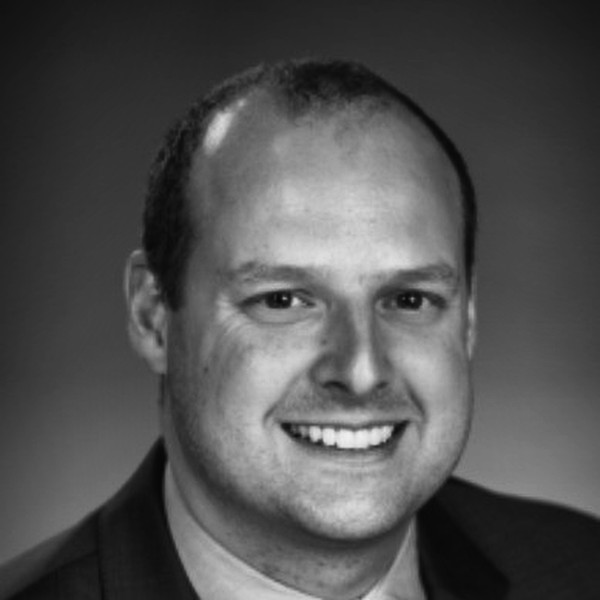
DE PAEPE Ward
Professor
UMONS Micro gAsturbine Research Centre (UMARC) – Thermal Engineering and Combustion Research Unit
Modal Title
DE PAEPE Ward
Ward De Paepe is a researcher and academic at the University of Mons (UMONS), specialising in energy engineering and sustainable energy systems. His research focuses on experimental and numerical approaches to improve energy efficiency and reduce emissions in industrial and decentralised energy systems.
His main research interests include:
- Micro gas turbines and small-scale energy conversion systems
- Sustainable combustion and alternative fuels
- High-temperature heat production and heat pumps
- Industrial waste heat recovery
- Thermodynamic modelling and experimental characterisation of energy systems
He is involved in teaching and supervision at Bachelor, Master and PhD levels and in collaborative research projects with academic and industrial partners.
Envisaged research project(s) for hosting a C4W fellow
UMARC’s research activities focus on energy in industry and its sustainable production, addressing the engineering challenges of today and tomorrow: towards sustainable energy for all!
More specifically, our research covers four key areas:
- Small-scale, highly efficient and sustainable electricity production, potentially combined with heat production, for decentralised energy systems using micro gas turbines;
- Sustainable combustion, with a particular focus on micro gas turbines and alternative fuels;
- Sustainable high-temperature heat production, using micro gas turbines and high-temperature heat pumps;
- Industrial waste heat recovery, including innovative approaches based on humidification.
We are happy to welcome students interested in developing a project with us as host institution, with proposals related to one of these four research areas.
DE WEIRELD GUY
Full Professor
Thermodynamics
Modal Title
DE WEIRELD GUY
Prof. Guy De Weireld is a Full Professor at the University of Mons (UMONS), Belgium, with internationally recognized expertise in process engineering, adsorption science, gas separation technologies, and sustainable energy systems. He has authored more than 200 scientific publications and has made significant contributions to the fields of carbon capture, utilization and storage (CCUS), hydrogen technologies, advanced porous materials (MOFs), and industrial decarbonization. His research combines fundamental studies on adsorption materials with process modeling, optimization, techno-economic assessment, and life cycle analysis to develop innovative and sustainable solutions for low-carbon industries. He has actively participated in numerous European collaborative research projects and notably served as Coordinator of the H2020 MOF4AIR project, a major European initiative dedicated to the development of advanced Metal-Organic Frameworks (MOFs) for CO₂ capture in power generation and energy-intensive industries. Through close collaboration with academic institutions, research organizations, and industrial stakeholders across Europe, he has contributed to the advancement of innovative technologies supporting industrial decarbonization and the transition toward climate-neutral energy systems.
Envisaged research project(s) for hosting a C4W fellow
1-Digital Twin and AI Assisted Optimization of MOF-Based Carbon Capture, Utilization and Storage Systems in Renewable-Integrated Industrial Clusters
2- Development of an AI-Assisted Digital Twin for the Design and Real-Time Optimization of Renewable Hydrogen Production, Storage and Industrial Integration Using Advanced Metal-Organic Framework
DEBLECKER Olivier
Professor
Electrical Power Engineering Unit
Modal Title
DEBLECKER Olivier
Olivier Deblecker, PhD, is a Professor and Head of the Electrical Power Engineering Unit at the Faculty of Engineering, University of Mons (UMONS), where he has built his academic and research career since 1995. He serves as the Academic Coordinator of the Joint Certificate and the Chair in Power Electronics at UMONS, fostering strong ties between academia and major industrial partners in this field. His research and teaching expertise spans power electronics converters, electrical machines, and micro-grids with specialized applications in railways, space, and renewable energy sectors. He has successfully supervised 8 completed PhD theses and currently directs 3 ongoing doctorates, while authoring and co-authoring more than 200 publications in peer-reviewed journals and international conferences.
Envisaged research project(s) for hosting a C4W fellow
Physics-informed AI for Next-Generation Power Electronics Converters in the Green Energy Transition
ELMUSRATI Mohammed
Professor
School of Technology and Innovations
Modal Title
ELMUSRATI Mohammed
Prof. Mohammed Elmusrati has been a Professor of Telecommunications and Smart Systems at the University of Vaasa, Finland, since 2009. With extensive leadership in teaching, research, and postgraduate supervision at both the MSc and PhD levels, his expertise centers on intelligent systems, applied machine learning, advanced communication networks, and emerging digital technologies. Dedicated to bridging cutting-edge academic research with impactful real-world applications, Prof. Elmusrati has authored and co-authored about 200 peer-reviewed scientific publications driving technological and societal advancement.
Envisaged research project(s) for hosting a C4W fellow
1. AI-Driven Edge Intelligence and Ultra-Reliable Connectivity for Resilient Microgrids and Distributed Renewable Integration
2. Autonomous Cyber-Physical Framework for End-to-End Energy Efficiency in Industrial Microgrids and Hybrid Storage Networks
FRERE Marc
Full Professor
Thermodynamics Dpt
Modal Title
FRERE Marc
Head of the Thermodynamics Dpt at UMONS
President of the Energy Research Institute at UMONS
Professor in Basics and Applied thermodynamics
Present leader of Regional Research project portfolios in energy related topics
Present and past research domains: gas adsoption, porous solids characterization, energy monitoring of domestic heat pumps, energy systems for city disctricts, heat storage.
Envisaged research project(s) for hosting a C4W fellow
Energy systems integration for heat and cold supply in city districts
Thermochemical energy storage
GERBAUX Pascal
Full professor
Organic Synthesis & Mass Spectrometry
Modal Title
GERBAUX Pascal
Pascal Gerbaux is Professor of Organic Chemistry and Mass Spectrometry at the University of Mons (UMONS), Belgium, where he leads the Organic Synthesis and Mass Spectrometry Laboratory (S²MOs). His research focuses on mass spectrometry and organic chemistry, with particular expertise in molecular structure, supramolecular chemistry, polymers, and the characterization of complex molecules. He has authored and co-authored ~275 scientific publications (H 46) and has contributed extensively to the development and application of advanced mass spectrometry methodologies.
Envisaged research project(s) for hosting a C4W fellow
The main research programmes of the S²MOs group are :
1° Natural products and bioactive molecules
The group studies complex natural molecules such as saponins, flavonoids, lipids and polysaccharides, particularly those found in plants, microalgae and marine organisms. We investigate molecular diversity, biological function and ways of modifying natural molecules to enhance their biological properties.
2° Ion-mobility mass spectrometry and structural characterization
A particularly distinctive research direction is the use of ion mobility mass spectrometry (IMS) to distinguish molecules that have the same molecular mass but different structures, including regioisomers, stereoisomers and conformers. This is applied to natural products, polymers and other complex organic molecules.
3° Functional and biodegradable polymers
The team develops mass-spectrometric approaches for characterizing synthetic macromolecules, including biodegradable polymers and conjugated polymers. The objective is not simply to measure their molecular weight, but to determine detailed structural information such as end groups, architectures and conformations.
4° Peptoids and biomimetic molecules
They work on peptoids, synthetic molecules inspired by peptides, to understand the relationship between their primary and secondary structures. These molecules are also being explored for applications including artificial enzyme, chiral recognition and solar-energy storage.
5° Molecular Solar Thermal Energy Storage (MOST)
One of the more application-oriented programmes is the development of molecules capable of capturing solar energy and storing it chemically, before releasing it later as heat. Current work includes azo-functionalized peptoids and azobenzene derivatives, with mass spectrometry being used to characterize the molecules and monitor photoisomerization.
6° Fundamental development of mass spectrometry
This is arguably the group methodological core. We investigate the fundamental physicochemical processes involved in ionization, desolvation, desorption, ion activation and ion-mobility separation.
JUNTUNEN Jouni
Professor
School of Technology and Innovations / Industrial Engineering and Management
Modal Title
JUNTUNEN Jouni
Jouni K. Juntunen is Professor of Innovation Management at the University of Vaasa, where he focuses on research on sustainable innovation and energy transition. His current interests include energy communities, energy justice, social acceptance of energy technologies, sustainability transitions, and cleantech business ecosystems. He has served as principal investigator and work-package leader in major nationally and internationally funded research projects, including Horizon Europe research on the social acceptance of deep geothermal energy. His research draws on qualitative and configurational approaches (fsQCA) and is conducted in close collaboration with academic, industrial, and societal partners. He also brings extensive industrial experience from technology and innovation management roles at Nokia.
Envisaged research project(s) for hosting a C4W fellow
I am interested in hosting a fellow studying the societal and business dimensions of the clean energy transition from business ecosystem, business model or user and open innovation perspectives. Potential projects may focus on energy communities, decentralized energy systems, social acceptance, energy justice, stakeholder tensions. Particular attention could be given to how users, communities, firms, public organizations, and other stakeholders contribute knowledge, develop solutions, and shape innovation processes across organizational boundaries. I particularly welcome comparative and interdisciplinary research examining how technological, institutional, organizational, and societal conditions influence user participation, collaborative innovation, cleantech adoption, and transition outcomes. The project may use qualitative, quantitative, mixed-method, or configurational approaches, and the fellow would be integrated into the University of Vaasa’s energy-transition research and its regional and international stakeholder networks.
KALMI Panu
Full Professor
School of Accounting and Finance, Economics
Modal Title
KALMI Panu
Panu Kalmi is Professor of Economics and Vice Dean of the School of Accounting and Finance at the University of Vaasa. He received his PhD from Copenhagen Business School in 2002 and has previously held positions at Aalto University, including as Professor and Academy Research Fellow. His main research interests include financial literacy and financial education, with a particular interest in energy-related financial literacy. He is a member of the OECD Research Advisory Group on Financial Literacy and co-chair of the G53 International Research Network on Financial Literacy and Personal Finance.
Envisaged research project(s) for hosting a C4W fellow
Our research examines how energy-related financial literacy, information, and digital tools shape household decisions related to energy efficiency and the energy transition. We study how households respond to energy prices and information, adopt energy-efficient technologies, choose electricity contracts, and adjust the timing and flexibility of their electricity consumption. The research combines survey and experimental methods with opportunities to use smart-meter data and field interventions, including educational experiments with schools in the Vaasa region.
KOUTRA Sesil
Research and Teaching Associate
Faculty of Architecture and Urban Planning/ Sciences, Materials, Construction and Energy
Modal Title
KOUTRA Sesil
Sesil Koutra is a Research and Teaching Associate at the University of Mons, Faculty of Architecture and Urban Planning, with expertise in urban planning, energy transition, urban resilience, smart cities, and energy communities and holds a PhD in Urban Planning and Zero-Energy Districts from UMons. Her academic and professional experience includes research and teaching at UMons, TU Delft, and the University of the Basque Country. She has participated in and coordinated European and international research projects addressing energy efficiency, zero-energy districts, climate resilience, geothermal energy, and energy communities. She is involved in teaching at Bachelor’s and Master’s levels, doctoral supervision, international workshops, and research collaborations.
Envisaged research project(s) for hosting a C4W fellow
The proposed project will investigate the relationship between urban configuration and its optimization for spatial integration of energy communities in multiple contexts. As logical continuation of ongoing research projects on the topic, the research will examine how the structural elements of the cities (e.g.density, land-use distribution, building morphology, street networks, public spaces, proximity between buildings, and existing infrastructure) influence the potential formation, connectivity, and technical effectiveness of local energy communities. Energy communities are increasingly considered a means of decentralizing energy production and consumption by enabling groups of buildings, households, businesses, and public institutions to collectively generate, share, store, and manage energy. However, their spatial organization is often addressed separately from urban planning and morphology. This research proposes to bridge this gap by asking how urban form can be optimized to facilitate the spatial integration of energy communities.
The C4W fellow will contribute to the development of spatial and urban modelling approaches to identify and assess different EC (Energy Communities) configurations and development scenario as a dynamic decision-making tool for conceptualized planning, testing alternative urban and energy scenarios in terms of energy demand, renewable energy potential, energy sharing, self-consumption and community-scale energy autonomy.
The project will aim to develop a methodological framework linking urban morphology, energy modelling and energy-community governance, providing evidence-based approaches for planners and local authorities. The research will capitalize on current results of the ILES (FTJ) and AISCEND (Horizon) projects, in which the supervisor has a strong involvement (as PhD and Post Doc promotor) .
LAAKSONEN Hannu
Professor
School of Technology and Innovations / Electrical Engineering / Flexible Energy Resources
Modal Title
LAAKSONEN Hannu
Hannu Laaksonen received his M.Sc. (Tech.) degree in 2004 in electrical power engineering from the Tampere University of Technology, Tampere, Finland, in 2004 and his Ph.D. (Tech.) degree in electrical engineering from the University of Vaasa, Vaasa, Finland, in 2011. His employment experience includes working as a research scientist at the VTT Technical Research Centre of Finland and at the University of Vaasa as well as working as a principal engineer at ABB Ltd. in Vaasa for 6 years. He is currently a professor of electrical engineering at the University of Vaasa and also Electrical Engineering -department PU-manager, Flexible Energy Resources -research team leader and manager of the Smart Energy Transition Master’s Program. His field of interests include the control and protection of low-inertia power systems and microgrids, active management of distributed and flexible energy resources in future smart energy systems as well as future-proof technology and market concepts for smart grids.
Envisaged research project(s) for hosting a C4W fellow
Nordic Energy Capital -project
LU Xiaoshu
Professor
Department of Energy Technology/Renewable Energy and Built Environment
Modal Title
LU Xiaoshu
Professor Xiaoshu Lü leads the Renewable Energy and Built Environment team at the University of Vaasa and is an Adjunct Professor in AI Applications to Buildings at Aalto University, Finland. Her research focuses on decarbonising buildings and districts through renewable energy integration, AI and machine learning, optimisation, advanced building energy systems, and low-carbon technologies, with a particular interest in data centre cooling, waste heat recovery, and the integration of data centre waste heat into district heating systems. She has published more than 130 peer-reviewed journal papers and received the Napier Shaw Bronze Medal from the Chartered Institution of Building Services Engineers (CIBSE) in UK. She currently leads or co-leads 10 ongoing Research Council of Finland and EU-funded research projects and has been recognised among the world’s top 2% of researchers by Stanford University for 2023 and 2024. Her research group provides an interdisciplinary environment for research on energy transition technologies, renewable energy integration, decarbonised heat, energy-efficient buildings, data centre energy systems, and AI-enabled energy solutions.
Envisaged research project(s) for hosting a C4W fellow
Research on energy transition technologies for buildings and districts, with a focus on renewable energy integration, data centre cooling and waste heat recovery, district heating, energy-efficient building systems, and optimisation of integrated energy systems.
MAES Bjorn
Professor
Micro and Nanophotonic Materials, Department of Physics
Modal Title
MAES Bjorn
The team of prof. Maes has extensive experience in the design of advanced micro- and nanophotonic devices, for various applications such as solar cells, light sources, and functional textiles. The computational work aims to uncover physical phenomena, to design prototype experiments and to interpret characterization results. Experimental work is performed in-house or with external collaborators. We consider a variety of dielectric and metallic metamaterials, photonic crystals and nanoparticles for enhanced light-matter interactions.
Envisaged research project(s) for hosting a C4W fellow
- Engineering (bioinspired) photonic architectures for infrared radiation harvesting, thermal management, thermal textiles and sustainable energy conversion.
- Plasmonic resonances and slow-photon effects in photonic crystals for enhanced light-matter interaction: photocatalysis, solar energy, energy-efficient optoelectronics (LEDs, switching), single-molecule spectroscopy, green chemistry, smart windows.
- Electron beam, Smith-Purcell radiation for efficient light sources: UV sources for efficient semiconductor fabrication, water purification and surface sterilization, THz sources for industrial sorting (recycling) and thermal imaging (monitoring industrial processes).
MIKULSKI Maciej
Professor
Technology and Innovation Management Unit / Energy Technology
Modal Title
MIKULSKI Maciej
Professor of Energy Technology at the University of Vaasa, with expertise in sustainable energy and propulsion systems, advanced combustion technologies, and alternative fuels. His research focuses on developing and optimising low-emission energy conversion technologies through experimental research, modelling, simulation, and advanced control methods. He has extensive experience in research on renewable and low-carbon fuels, including methanol, ammonia, hydrogen, and other alternative fuels for marine and power-generation applications. He has extensive experience in leading multidisciplinary research projects and collaborating with academic and industrial partners. His research contributes to the development of cleaner and more efficient energy and propulsion technologies.
Envisaged research project(s) for hosting a C4W fellow
Research projects could address the development of sustainable, high-efficiency and low- or zero-emission energy conversion and propulsion systems. Potential directions include hydrogen and other alternative fuels, advanced combustion and power-generation concepts, energy efficiency and recovery, and the integration of emerging clean-energy technologies. Projects may combine experimental research with modelling, optimisation, and advanced control methods to improve system efficiency, fuel flexibility, emissions performance, and the integration of renewable and low-carbon fuels. Further research opportunities may address ammonia- and hydrogen-based energy conversion, advanced thermal management and waste-energy recovery, predictive control, and innovative solutions for decarbonising marine, off-road and power-generation applications. Projects combining fundamental research with technology development and validation in collaboration with industrial and international research partners would also be particularly relevant.
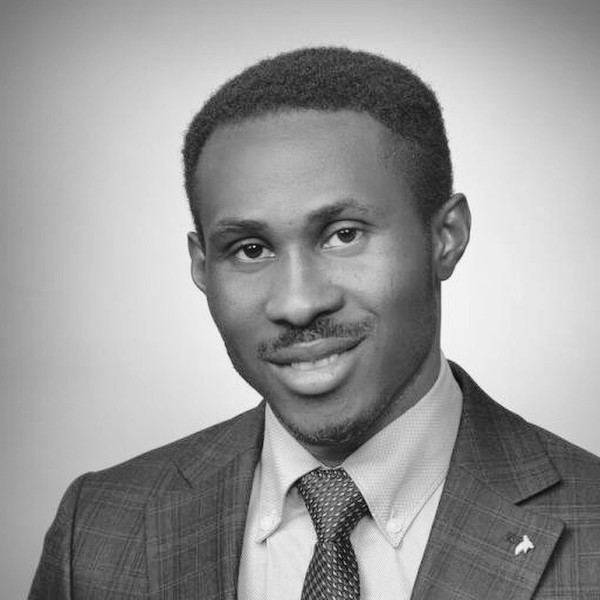
ONIFADE Stephen Taiwo
Associate Professor
Economics (Energy, Environment, Resource & Development Economics)
Modal Title
ONIFADE Stephen Taiwo
Stephen Taiwo Onifade (PhD) is an Associate Professor at the University of Vaasa (Finland) where he conducts research in the areas of Sustainable Development, Energy & Resource Economics. His research activities have covered various aspects of the United Nations Sustainable Development Goals (SDGs) including SDG-7 of clean & affordable energy, and SDG 8 & 13 of decent work/economic growth, and climate action respectively. He is particularly passionate about energy and climate related issues in emerging economies and many of is research have covered the E7 economies and the sub-Saharan African (SSA) countries. He has authored several peer-reviewed scientific publications and participated in EU-funded projects. Some of his research work have featured in leading publication channels including; Applied Energy, Sustainable Development, Energy Economics, Journal of Cleaner Production, Environmental Impact Assessment Reviews, International Journal of Sustainable Development & World Ecology, Sustainable Energy Technologies & Assessment, Energy & Environment, and Journal of Economic Structures among others. He speaks Yoruba, English, Turkish, and he is currently learning the Finnish language.
Envisaged research project(s) for hosting a C4W fellow
Projects covering aspects of the United Nations Sustainable Development Goals SDG-7 of clean & affordable energy, and SDG 8 & 13 of decent work/economic growth, and climate action respectively.
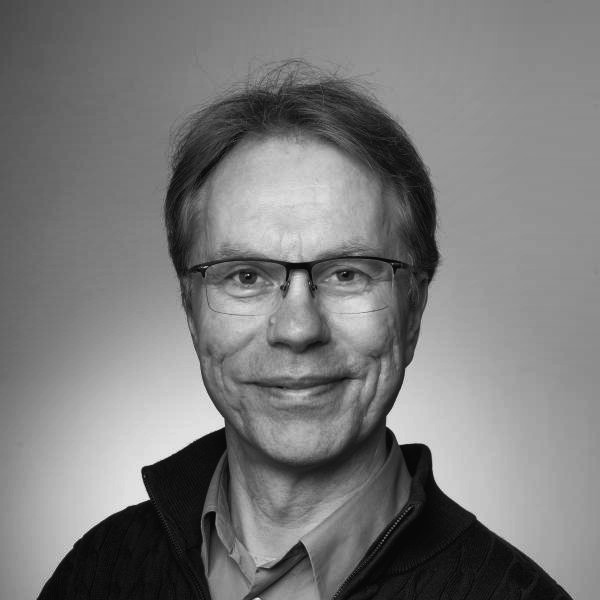
VÄLISUO Petri
Professor
Computing sciences / School of technology and innovations
Modal Title
VÄLISUO Petri
Petri Välisuo MSc (Tech), DSc (Tech) is a professor of Automation Technology at School of Technology and Innovations, researching how automation can be used to make sustainable, energy‑efficient systems and how AI in data centres could be made more energy‑efficient. Välisuo considers collaboration between regional higher education institutions and the energy cluster essential, and he is personally committed to further strengthening this cooperation.
Envisaged research project(s) for hosting a C4W fellow
Sustainable computing, smart data center automation, heat reuse
VALLEE François
Full Professor
Electrical Power Engineering Unit
Modal Title
VALLEE François
François Vallée is currently Full Professor at the University of Mons where he created the Power Systems & Markets Research Group. His research activities are organized around three major pillars of modern power systems: data analytics applied to power systems, renewable generation integration and, finally, valorization of flexible technologies through optimized participation in electricity markets. François Vallée is currently serving as an Associate Editor in IEEE Transactions on Power Systems and IEEE Transactions on Smart Grid.
Envisaged research project(s) for hosting a C4W fellow
Topic related to flexibility provision in power systems
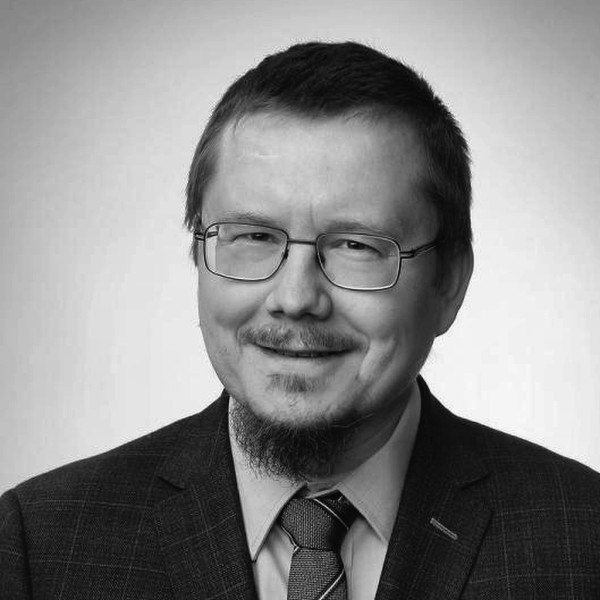
VARTIAINEN Tero
Professor
School of Technology and Innovations / Department of Computing Sciences / Information Systems Team
Modal Title
VARTIAINEN Tero
Tero Vartiainen received his Ph.D. from the University of Jyväskylä, Finland, in 2005 and has served as Professor of Information Systems at the University of Vaasa since 2015. His research has been published in leading information systems journals, including the Information Systems Journal and Communications of the Association for Information Systems. His current research focuses on cybersecurity, energy informatics, IT project management, and IT service management, with particular interest in the digitalization, security, and resilience of energy and other critical systems. His research methods include interpretive and design science approaches.
Envisaged research project(s) for hosting a C4W fellow
Cybersecurity and resilience of digitalized cleantech systems and ecosystems; Structural problems in regional or nation-wide cleantech ecosystems and designing solutions for them; Designing digital transformation of cleantech systems and ecosystems; Social, ethical, and moral challenges in digitalization of cleantech systems and ecosystems.
Sustainable resource management: water, waste, recycling, circular economy, materials, and environmental remediation
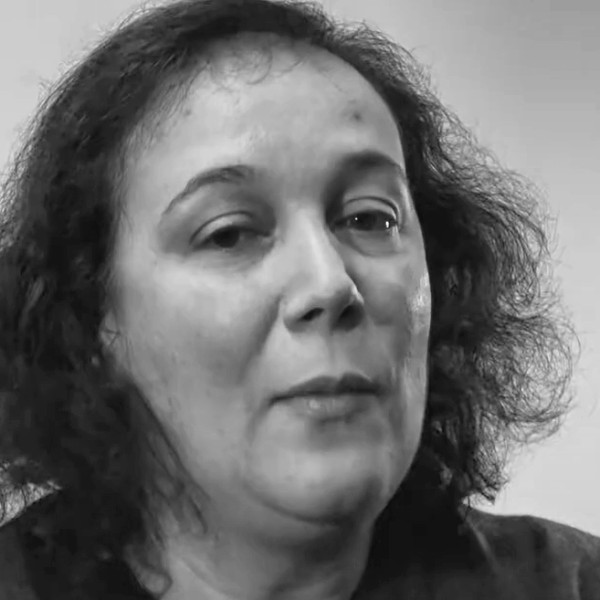
BITTENCOURT Carla
FNRS researcher
Plasma-Surface Interaction Chemsitry (ChIPS)
Modal Title
BITTENCOURT Carla
Prof. Carla Bittencourt is a Senior Research Associate at FRS-FNRS and Associate Professor at the University of Mons, internationally recognized for her work in nanomaterials, surfaces, and interfaces. Her research combines advanced characterization techniques with the design and functionalization of nanostructured materials for catalysis, sensing, energy, and environmental applications. She has extensive experience synthesizing nanomaterials, including tungsten oxide nanowires, WS₂ nanosheets, doped metal oxides, carbon nanostructures, and functional materials prepared through plasma-assisted and solution-based routes. Her current projects emphasize environmentally friendly material synthesis, catalytic materials, and surface engineering, demonstrating a strong interest in developing advanced materials through wet-chemical and scalable synthesis approaches.
Envisaged research project(s) for hosting a C4W fellow
Novel materials for PFAS detection and/or remediation.
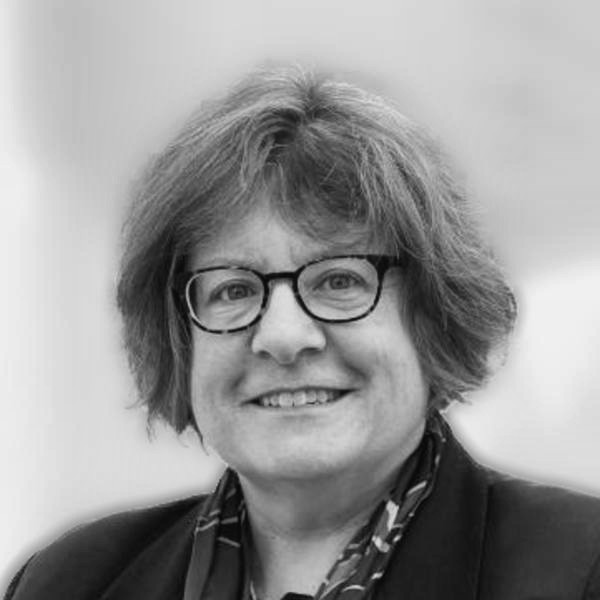
BUCHANAN Bonnie
Full Professor
School of Accounting and Finance
Modal Title
BUCHANAN Bonnie
Professor Bonnie Buchanan is the Profi9 Professor of Sustainable Finance and Energy Transition at the University of Vaasa, Finland. Professor Buchanan is also the Co-Editor of the International Journal of Finance and Economics (an ABS 3 journal). Professor Buchanan also serves on the AI Consortium, established by the Bank of England and UK FCA. She was previously Associate Dean (International) in the Faculty of Arts, Business and Social Sciences, University of Surrey, where she is now a Visiting Professor. Professor Buchanan has published in leading international journals and her research on shareholder proposals has been recognized with the Hoeber Memorial Award for Outstanding Article in American Business Law Journal. She has research expertise is in AI infrastructure and sustainable financing, FinTech, AI in financial services, securitization, CSR and law and finance.
Envisaged research project(s) for hosting a C4W fellow
‘I would be interested in collaborative work on data centers, other AI infrastructure and associated large scale financing. And how this all contributes to the circular economy and sustainable growth.
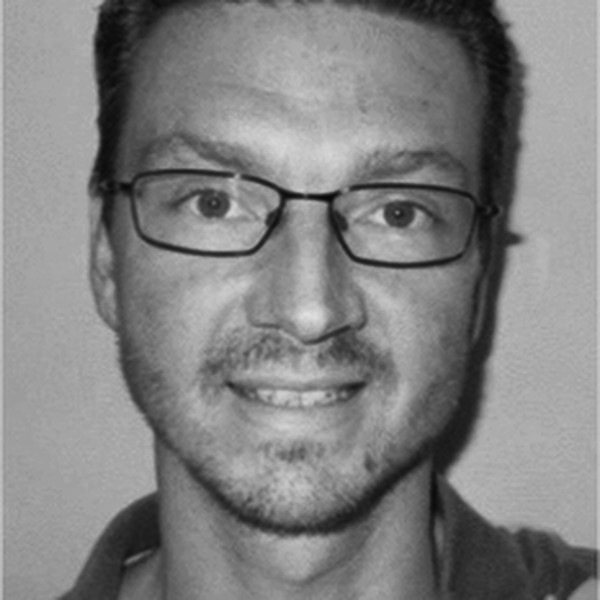
COULEMBIER Olivier
FNRS Research Director/Professor
University of Mons / Department of Sciences / Laboratory of Polymeric and Composite Materials
Modal Title
COULEMBIER Olivier
Research in the Coulembier group focuses on biomimetic macromolecular engineering. We develop novel monomers, initiators, and catalysts to precisely control complex polymer architectures. Our research places sustainability at the core of polymer synthesis and plastic waste valorization. We also explore innovative approaches for the incorporation and valorization of carbon dioxide. Our work is supported by interdisciplinary collaborations with engineers, biologists, medical researchers, and industrial partners.
Envisaged research project(s) for hosting a C4W fellow
Previous studies on small-molecule substrates have demonstrated that carbon dioxide radical anions (CO2•⁻) can engage in radical transformations of unsaturated and halogenated compounds, providing a compelling chemical basis for exploring similar reactivity in macromolecular systems. Translating this chemistry to halogenated polyethylene could provide a way to introduce controlled chemical reactivity into one of the most chemically inert and widely used polymer classes. The carbon-halogen bonds of halogenated polyethylene offer chemically addressable sites within an otherwise unreactive polyolefin backbone, potentially enabling selective dehalogenation, functionalization and incorporation of CO2-derived groups. Such transformations could convert polyethylene from an inert commodity material into a versatile platform for functional materials and carbon-efficient upcycling. Beyond the preparation of specific functionalized polymers, the project aims to establish general principles for transferring well-defined small-molecule radical reactivity to the chemical programming and valorization of polyolefin backbones.
DE WINTER Julien
Lecturer
Chemistry / Organic synthesis and mass spectrometry laboratory
Modal Title
DE WINTER Julien
Julien De Winter is Lecturer in the Organic Synthesis and Mass Spectrometry Laboratory at the University of Mons (UMONS), Belgium. He obtained his MSc in Chemistry in 2007 and his PhD in Chemistry in 2011, specializing in advanced mass spectrometry for the structural characterization of polymers/macromolecules and polymer and organic synthesis. Currently, his research focuses on organic synthesis, bioinspired peptoids, protein modifications, and state-of-the-art mass spectrometry techniques, including ion mobility spectrometry. He has authored 173 peer-reviewed publications and achieved a Scopus h-index of 33. He delivers approximately 200 hours of teaching and laboratory supervision annually, covering practical classes, tutorials, and advanced courses in organic chemistry, mass spectrometry, and related disciplines, while also supervising Master’s and PhD students.
Envisaged research project(s) for hosting a C4W fellow
Novel materials for PFAS detection.
DELAUNOIS Fabienne
Full professor
Metallurgy
Modal Title
DELAUNOIS Fabienne
Fabienne Delaunois is a Full Professor and Head of the Metallurgy Department at UMONS, with over 25 years of academic and research experience in materials science. Her expertise spans ferrous and non-ferrous metallurgy, surface treatments, corrosion, and additive manufacturing. She has led numerous funded research projects, supervised PhD and Master’s theses, and actively contributes to international scientific committees and journals.
Envisaged research project(s) for hosting a C4W fellow
Circular Recovery of Critical Magnesium from Industrial Refractories for a Sustainable European Industry.
DUTOIT Thierry
Full Professor
Elec Engineering / ISIA Lab
Modal Title
DUTOIT Thierry
Thierry Dutoit is a full professor at UMONS, Belgium, where he heads the Information, Signal, and Artificial Intelligence (ISIA) Lab. Between 1996 and 1998, he spent 16 months at AT&T-Bell Labs, in Murray Hill (NJ). He co-created the ACAPELA-GROUP company in 1996, founded the UMONS/NUMEDIART Institute for Creative Technology (2009), and co-created the TRAIL interuniversity AI research Institute in 2022 (5 universities and 4 research centers in Wallonia-Brussels).
Envisaged research project(s) for hosting a C4W fellow
I would like to further develop the activity of my lab in the area of Edge-AI. Previous R&D in the area has led to the presentation of a PhD (Dr. Nathan Hubens, who is now busy developing his forthcoming Spinoff company), and recently to launch of an industrial PhD (a Win4Doc with the Phoenix-AI company, starting in Oct 2026). Edge-AI aims at designing AI algorithms which minimize compute and energy consumption, thereby acting towards sustainable computing management.
FLAMMANG Patrick
FNRS Research Director / Professor
Biology of Marine Organisms and Biomimetics
Modal Title
FLAMMANG Patrick
I study biological materials with a particular interest in adhesives produced by marine invertebrates. The aim is to provide a precise description of these materials and their role in the biology and ecology of organisms and, in a second phase, to manufacture biomimetic materials. The research is carried out in an integrated manner, combining morphological, biomechanical, and biomolecular approaches.
Envisaged research project(s) for hosting a C4W fellow
Sea stars represent an interesting model for the study of underwater adhesion. Indeed, they can attach strongly to a variety of substrata (including biofilm-covered substrata) using a multitude of small appendages, the tube feet. The distal part of each tube foot is specialized for adhesion, and its epidermis comprises two types of adhesive secretory cells, which release a blend of adhesive proteins bonding the tube foot to the substratum surface. The versatile attachment of sea star tube feet to surfaces offer the potential to inspire novel adhesives which can function underwater or in the ultimate wet environment: the human body. The high tenacity of their adhesive, especially, suggest it could be used as a blueprint for the design of sealants to be applied to soft tissues during surgery to stop internal haemorrhages and close demanding internal wounds. However, to guide the development of such bio-inspired materials, a detailed knowledge of the natural system is required. Thus, the aim of this project is to decipher the temporary adhesion mechanism developed by sea star both at the organism level, through the detailed characterization of the natural adhesive, and at the molecular level, through the simplification of the system by the production and testing of biomimetic molecules. Recombinant proteins and synthetic peptides, based on sequences of sea star adhesive proteins (sfps) recently obtained by our research group, will allow the measurement of essential functional characteristics such as adsorption and adhesive properties on different substrates, including on biological tissues, at both the micro- and macroscales.
GABRIELSSON Peter
Professor of International business with specialization in international marketing (tenured)
International Business / School of Marketing and Communications
Modal Title
GABRIELSSON Peter
Professor of International Marketing at the School of Marketing and Communication, University of Vaasa, Finland; and serves as Director of the International Business and Marketing Strategies research group.
Peter has successfully supervised numerous doctoral students in the international business field and his current research interests include international sustainable entrepreneurship, international sustainable business model innovations and international sustainable marketing.
He has led several large research projects, such as ”Born Globals: Growth Stages and Survival” and ”International New Ventures: Growth and Decision-Making”, fand he currently directs the ”International Circular Business Model Innovations for Accelerated Internationalization” research project, funded by Business Finland.
His research has been published in leading journals including the Journal of International Business Studies, Journal of the Academy of Marketing Science, Strategic Entrepreneurship Journal, Journal of World Business, Journal of International Marketing, Industrial Marketing Management, Journal of Business Research, International Business Review, Management International Review, and International Marketing Review.
Peter serves on the editorial boards of the Journal of International Marketing and Industrial Marketing Management and in 2025, he received the Gerald E. Hills Best Paper Award from the AMA Entrepreneurial Marketing SIG, and in 2026, the Best Paper Research award from the AIB Sustainability SIG.
Envisaged research project(s) for hosting a C4W fellow
International Circular Business Model Innovations for Accelerated Internationalization.
KOHTAMÄKI Marko
Professor / Head of Strategic Business Development Performance Unit
Strategic Business Development / Management
Modal Title
KOHTAMÄKI Marko
Marko Kohtamäki is Professor of Strategy at the University of Vaasa, where he heads the Strategic Business Development (SBD) Performance Unit, and Visiting Professor at Luleå University of Technology. His research addresses how manufacturing industries transform through digital servitization, sustainable product–service systems, business model innovation and strategy-as-practice. He has co-edited the volume Sustainable Product-Service Systems: Theories, Concepts and Tools (Springer, 2026) and guest-edited special issues on sustainable servitization for resource-wise manufacturing (Journal of Cleaner Production, 2024) and on strategy in the digital transformation era (International Journal of Management Reviews, 2025). He has published in Strategic Management Journal, International Journal of Operations and Production Management, Technological Forecasting and Social Change, Long Range Planning and Industrial Marketing Management, amongst others. He currently leads the Business Finland funded AI_4_DSI project on AI-enabled digital service innovation with industrial partners including ABB, Mirka and VEO Group, and has been listed since 2023 among the world’s top 2% most-cited researchers in his field.
Envisaged research project(s) for hosting a C4W fellow
AI for Digital Service Innovation (AI4DSI) — an invitation to post-doctoral researchers
Manufacturing firms are moving from traditional industrial service systems toward AI-enabled, digitally scalable service systems, a transition often referred to as digital servitization – and companies such as Wärtsilä, ABB and Sandvik have shown its promise for both profitability and resource efficiency. However, this transition is far from easy for SMEs, which continue to struggle to productize, price and scale their AI-enabled service offerings, and the literature offers limited guidance on how service strategy, service innovation and scaling co-evolve with sustainability objectives in these firms. The AI4DSI project (2026–2028, University of Vaasa, School of Management) addresses this gap by bringing manufacturing and software companies together in a co-creation setting across three substantive work packages – 1) aligning AI with service strategy, 2) managing AI-enabled digital service innovation and service productization, and 3) scaling AI-driven service systems through standardization, customization, replication and recombination – with sustainable digital service innovation as a cross-cutting theme, which we define as the development of digitally enabled, AI-supported service offerings that create and capture economic value while extending equipment lifecycles, improving energy and material efficiency, and enabling circular business models such as condition-based maintenance, remanufacturing and outcome-based contracting. For a post-doctoral fellow, this means privileged access to a portfolio of company cases, a mandate to publish in AJG-ranked journals within an ambitious dissemination plan of ten articles, an international book and the International Servitization Workshop 2027, and close co-authorship with an established research group working at the intersection of servitization, digital service business models, ecosystems, sustainability and strategy-as-practice. We are looking for colleagues who want not only to study this transition but also to shape the frameworks and tools that manufacturing firms will use to make their service business both scalable and sustainable – if that describes your ambition, we would be glad to hear from you.
KONSTANTINIDIS Stephanos
FNRS Research Director / Professor
Plasma-Surface Interaction Chemsitry (ChIPS)
Modal Title
KONSTANTINIDIS Stephanos
Researcher specializing in the plasma-based synthesis of functional thin films and nanoparticles using magnetron sputtering technologies. My work focuses on developing and optimizing materials with tailored properties for applications including catalysis, energy harvesting and storage, and other sustainable technologies. By combining process engineering and materials design, I contribute to the development of enabling materials that support innovation in the Cleantech sector.
More information about my research can be found here : https://www.researchgate.net/profile/Stephanos-Konstantinidis
Envisaged research project(s) for hosting a C4W fellow
Synthesis of functional thin films and nanoparticles for energy-related applications via low-pressure plasma-based magnetron sputtering.
LECLERE Philippe
Full professor – Director of LPNE
Laboratory for Physics of Nanomaterials and Energy (LPNE)
Modal Title
LECLERE Philippe
Philippe LECLERE is a full professor at UMONS in the Department of Physics, heading the LPNE. His research interests deal with the multiscale characterization of the physico-chemical properties of materials (polymers, hybrid systems) for energy applications (energy conversion and storage) by means of Scanning Probe Microscopy and Spectroscopy, and Electron Microscopy. He is the President of the Physics Department and the Royal Belgian Society for Microscopy (RBSM).
Envisaged research project(s) for hosting a C4W fellow
Multiscale characterization of the physico-chemical properties of potential novel materials (polymers, hybrid systems) for energy applications (energy conversion and storage). Correlative analysis of the data acquired by SPM, SEM, and optical microscopy and spectroscopy.
MAKKONEN Hannu
Full Professor, Head of Marketing
School of Marketing and Communication/Marketing Performance Unit
Modal Title
MAKKONEN Hannu
Hannu Makkonen is Professor of Marketing, Head of Marketing, and Vice Dean at the School of Marketing and Communication, University of Vaasa, Finland. His research focuses on market shaping, business relationships and networks, ecosystem transformation, value creation, and sustainability transitions. His research has been published in leading international journals, including Marketing Theory, European Journal of Marketing, Technovation, Industrial Marketing Management, Journal of Business Research, Technological Forecasting and Social Change, and Applied Energy. He has extensive experience in leading externally funded research projects, developing international research collaborations, and supervising doctoral researchers. His current research examines how markets and ecosystems emerge, transform, and become governed, with particular emphasis on the transition towards circular business ecosystems.
The Marketing and Consumption research group is one of the largest and most externally funded research groups at the University of Vaasa and among the largest academic marketing research groups in Finland. Its approximately 50 researchers bring together expertise in business relationships and networks, sustainable business models, consumer behaviour, digitalization, and market transformation. The group participates in an extensive portfolio of externally funded projects supported by Horizon Europe, Business Finland, and other national and international funding organizations, collaborating closely with companies, public organizations, and international research partners. A C4W fellow would join an active and internationally connected research environment offering opportunities for joint publications, participation in ongoing research activities, international collaboration, and future research funding applications.
Envisaged research project(s) for hosting a C4W fellow
The transition towards a circular economy requires fundamental changes in how markets function, business relationships are organized, resources circulate, and value is created. Despite growing investments in circular technologies and business models, many promising solutions struggle to move beyond experimentation and become established, economically viable systems. Understanding how firms, public organizations, consumers, and other stakeholders collectively transform existing markets and develop new circular ecosystems presents a major theoretical and practical challenge.
Our research addresses this challenge by examining how circular markets emerge and scale, how multi-actor ecosystems are coordinated and governed, and how new resource configurations, business models, and institutional arrangements enable sustainability transitions. A C4W fellow would join an established portfolio of externally funded research projects, including CIRCULANDIA (Horizon Europe, 2026–2030), focusing on circular food systems and reusable packaging; FRANCESCA (Horizon Europe, 2025–2028), addressing circular business models and digital product passports in the furniture industry; and TEXMAT (2025–2029), investigating circular textile systems. The research also builds on Reusify (Business Finland, 2024–2026), which brought together 21 industry and stakeholder organizations to develop scalable reusable packaging solutions, and STOPP (Horizon Europe, 2024–2026), addressing the transformation of plastic food packaging value chains.
These interconnected projects provide a strong empirical foundation for longitudinal and comparative research on circular transformation, bringing together multiple industries, European research partners, and collaboration with companies and other stakeholders. Potential research themes include 1) market shaping and the emergence of circular markets, 2) governance and orchestration of multi-actor ecosystems, and 3) resource integration, business model innovation, and value creation in sustainability transitions. The fellow would work closely with experienced researchers on theoretically ambitious publications targeting leading international journals in marketing, management, innovation, and sustainability, while developing an independent research profile and participating in international research networks. The specific research agenda would be developed jointly, combining the fellow’s expertise and intellectual interests with the group’s ongoing projects.
We invite postdoctoral researchers interested in explaining how markets and ecosystems undergo systemic transformation. The fellowship offers an opportunity to pursue theoretically ambitious research, contribute to major international sustainability projects, and build an independent academic career within a highly collaborative and externally funded research environment.
OLIVIER Majorie
Full professor
Materials Science
Modal Title
OLIVIER Marjorie
Prof. Olivier is Head of the ‘Materials Science Department’ (SDM) at UMONS. The SDM has built up recognised expertise in the field of corrosion science and corrosion protection through the development of coatings (sol-gel, anodising, PEO, hybrid coatings, conversion coatings such as LDH and the modification of organic coatings) designed for the treatment of metallic substrates. The department specialises in the development of protective, self-healing and durable coatings. The SDM is involved in projects at both European and national levels: the INTERREG VI project (SAFE), the PRD – ARES project (Vietnam), Win2Wal OptiSurFAM (SPW), and the FNRS Weave PRD project, amongst others…
Envisaged research project(s) for hosting a C4W fellow
Developing of smart coatings for corrosion protection of metals.
RAQUEZ Jean-Marie
FNRS Research Director
Laboratory of Polymeric and Composite Materials
Modal Title
RAQUEZ Jean-Marie
Prof. Jean-Marie Raquez is a Research Director of the F.R.S.–FNRS at the University of Mons (UMONS). His research focuses on polymer chemistry and engineering, sustainable and functional polymer materials, polymer (nano)composites, and advanced processing technologies.
Envisaged research project(s) for hosting a C4W fellow
Solid-state modification of biomass/plastic waste.
SAUSSEZ Sven
Full professor
Anatomy and experimental oncology
Modal Title
SAUSSEZ Sven
343 publications in international journals (among the best in the ENT field).
Envisaged research project(s) for hosting a C4W fellow
Diagnose better, treat less: salivary biomarkers of laryngopharyngeal reflux as a lever for low-impact healthcare.
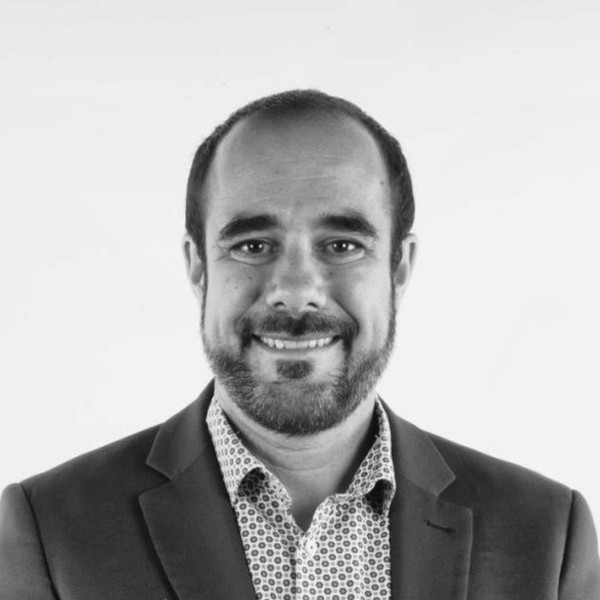
SNYDERS Rony
Full Professor
Plasma-Surface Interaction Chemsitry (ChIPS)
Modal Title
SNYDERS Rony
Rony Snyders is a Full Professor at UMONS and leads the Plasma–Surface Interaction Chemistry (ChIPS) research group.
His research focuses on low-temperature plasmas for materials processing and gas conversion.
He places particular emphasis on plasma diagnostics and the characterization of phenomena occurring within the plasma.
As a Scientific Director of Materia Nova R&D, he also helps bridge fundamental research and industrial applications.
He has supervised 31 PhD theses and co-authored more than 280 peer-reviewed publications, with an H-index of 55.
Envisaged research project(s) for hosting a C4W fellow
The electrification of chemical processes creates opportunities to convert gases into valuable products using plasma and plasma–catalytic technologies. A postdoctoral project in our group would focus on a research question within this broad theme, defined jointly with the candidate according to their expertise and interests. Potential directions include methane pyrolysis to produce hydrogen and solid carbon, CO₂ conversion into value-added chemicals, or nitrogen fixation to produce NOₓ. For any of these topics, the project could include the development and evaluation of a new plasma reactor concept or a new way of coupling the plasma with a catalyst. Our approach systematically include a fundamental understanding of the discharge and the chemistry it drives. Advanced plasma diagnostics, product analysis and modelling would be used to identify reactive species, clarify reaction pathways and determine how operating conditions influence conversion and selectivity. This knowledge would then guide the design and assessment of reactor configurations and operating strategies tailored to the chosen reaction. The ultimate aim is to connect mechanistic insight with technological progress: to understand why a process performs as it does, and use that understanding to improve its energy efficiency, selectivity and potential for future application.
The postdoctoral researcher would join a group of more than 40 researchers, including around 15 scientists working on plasma-assisted gas conversion. The fellow would be part of a collaborative environment combining expertise in plasma chemistry, reactor development, advanced diagnostics, modelling and plasma catalysis. Our laboratory offers dedicated gliding arc and microwave plasma reactors, alongside optical and electrical diagnostics and techniques for analysing reaction products. A particular asset is our close, long-standing relationship with Materia Nova allowing to access its complementary expertise and technological infrastructure creating opportunities to take promising results beyond laboratory-scale experiments: adapting reactor concepts, testing them under more representative conditions and addressing the technical challenges involved in scale-up. This offer a research environment in which fundamental understanding can inform the maturation of plasma technologies towards potential industrial applications.
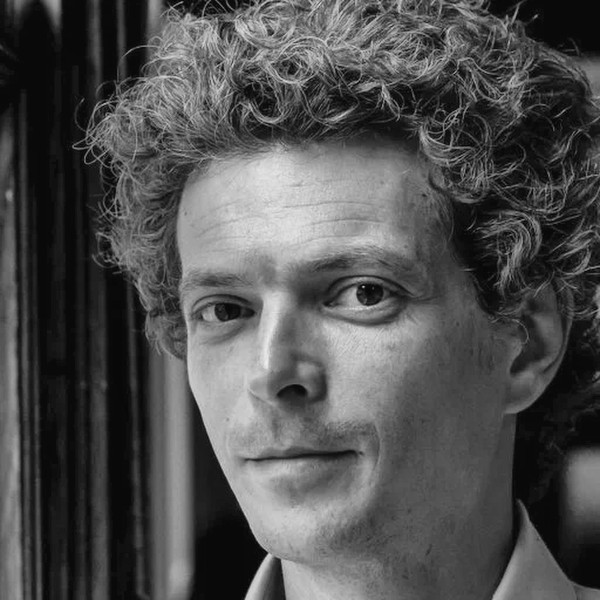
TANASESCU Mihnea
FNRS Research Associate Professor
Sociology and Anthropology
Modal Title
TANASESCU Mihnea
My work includes the legal and political representation of nature (legal personality and rights of nature), the politics of nature conservation, the politics of plant pathology (current project on olive culture decline in S Italy), the politics of nature restoration and rewilding. I also work in the broader fields of political ecology and environmental humanities. My latest books are “Ecocene Politics” and “Understanding the Rights of Nature: A Critical Introduction”.
Envisaged research project(s) for hosting a C4W fellow
Rights of nature, legal and political innovations for the Anthropocene, politics of plantations, political ecology of conservation, more-than-human anthropology, environmental and multi-species justice.
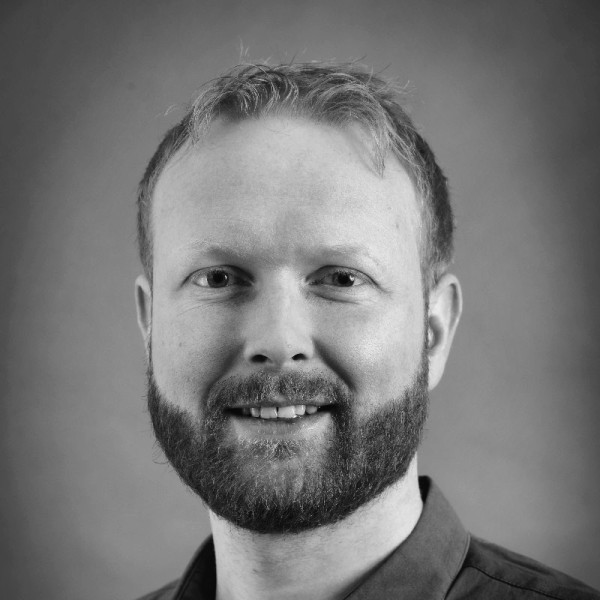
THIRY Damien
Associate Professor
Plasma-Surface Interaction Chemsitry (ChIPS)
Modal Title
THIRY Damien
Damien Thiry is an Associate Professor of Chemistry at the University of Mons (UMONS, Belgium), where he leads research activities in plasma-enhanced chemical vapor deposition (PECVD) within the ChIPS laboratory. He obtained his PhD in Science from UMONS in 2013 and subsequently completed a two-year postdoctoral fellowship at the Institut des Matériaux de Nantes, focusing on plasma-based thin-film technologies. His research focuses on cold plasma processes for surface functionalization, plasma polymerization, nanostructured coatings, and the development of advanced materials for biomedical, environmental, and sensing applications. He has coordinated and contributed to several regional, national, and European research projects and currently coordinates the Interreg SAFE project dedicated to plasma-functionalized surfaces for biomedical applications.
Envisaged research project(s) for hosting a C4W fellow
The proposed research will focus on the development of advanced functional surfaces and thin films using low-temperature plasma processes. Particular attention will be paid to plasma polymerization, surface nanostructuring, and the control of surface chemistry and material properties. Depending on the fellow’s expertise, applications may target biomedical surfaces, sensing, or environmentally oriented materials.
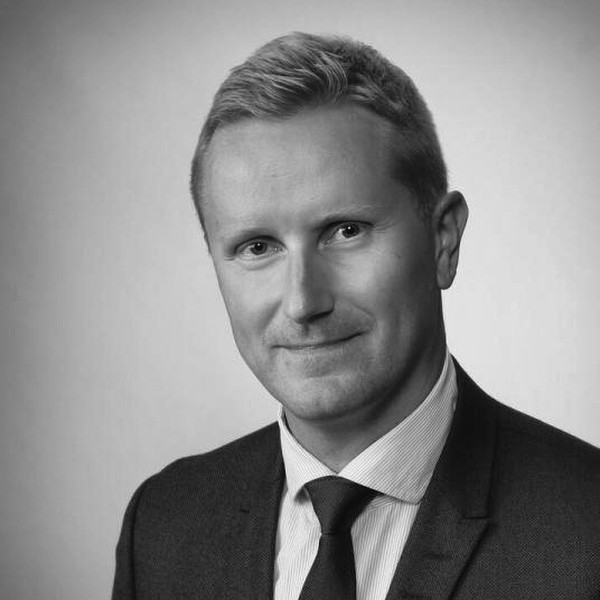
VÄHÄMAA Sami
Professor
School of Accounting and Finance / Finance Group
Modal Title
VÄHÄMAA Sami
Sami Vähämaa is a Professor of Accounting and Finance, the Head of the Finance Group, and the Chairman of the University Collegium at the University of Vaasa in Finland. He is also affiliated with the University of Turku and the Kiel Institute for the World Economy, and he has previously held visiting appointments at the University of Central Florida, the University of Sydney, Bentley University, Florida Atlantic University, the University of Manchester, Deusto Business School, the Federal Deposit Insurance Corporation, and the European Central Bank. His main research interests include financial institutions, female leadership, corporate governance, and corporate social responsibility. He has published extensively in peer-reviewed finance, accounting, and business journals, including the Journal of Banking and Finance, Journal of Business Ethics, Journal of Business Finance & Accounting, Journal of Empirical Finance, Journal of Business Research, Long Range Planning, Accounting Horizons, Journal of Financial Services Research, and The Financial Review. He currently serves as the editor-in-chief of the Nordic Journal of Business and as an associate editor of Emerging Markets Review.
Envisaged research project(s) for hosting a C4W fellow
Performance implications of sustainable resource management and environmental responsibility.
The role of financial institutions in green transition.
VANDE WOUWER Alain
Full professor
Systems Estimation Control and Optimization (SECO)
Modal Title
VANDE WOUWER Alain
SECO is a research group with expertise in developing digital twins and real-time optimization. This includes mathematical modeling, parameter identification, software sensors, model predictive control, and model-free optimization, with a vast array of applications in biotechnology, wastewater treatment, bioenergy, biomaterials, agriculture.
Envisaged research project(s) for hosting a C4W fellow
We are interested in digitalization, estimation and control in any of the research topics of the call (energy transition, sustainable resource management, transformation of socio-economic sectors).
VITRY Véronique
Professor
Metallurgy
Modal Title
VITRY Véronique
Professor Vitry leads a research team that works on various aspects of production, treatment and characterization of metals.
Her research interests started from surface treatments such as PVD coatings and electroless nickel plating (for which she is one of the leading world experts) and are now touching the wider field of sustainable metallurgical processes, with an emphasis on surface treatments and coatings, cemented carbides and recycling processes. She’s also actively helping local companies by carrying out failure analysis and expertise work.
She’s deeply involed in international professional societies, and collaborates with colleagues in several countries in Europe and Africa.
Envisaged research project(s) for hosting a C4W fellow
Recycling of complex components (including WEEE) by soft chemistry.
Development of sustainable electroless plating processes.
Transformation of socio-economic sectors: mobility, buildings, industry, agriculture, food, and responsible digital technology
ARSLAN Ali Nadir
Full Professor / Director of Kvarken Space Center
School of Technology and Innovations / Computing Sciences
Modal Title
ARSLAN Ali NAdir
Ali Nadir Arslan is Professor of Space Data Processing at the University of Vaasa, Finland, and Director of Kvarken Space Center.
His research combines Earth observation, geospatial analytics, and artificial intelligence to support sustainable energy systems, environmental monitoring, and data-driven decision-making for low-carbon transitions.
He has extensive experience developing operational data infrastructures and scalable Earth observation processing workflows, alongside contributions to national and international research and education initiatives.
He also serves as Finland’s delegate and chair in the EU Space Copernicus User Forum and as the GEO Finland contact, connecting research with user needs, policy, and international cooperation.
Aligned with C4W’s transformation of socio-economic sectors theme, his expertise supports the application of space-based data and responsible digital technologies to improve resource efficiency and environmental performance across industry and other economic sectors.
Google Scholar: https://scholar.google.com/citations?user=GF9zMFwAAAAJ&hl=en — h-index: [25]
ORCID: 0000-0003-1256-0163
Metrics as of October 2026.
Envisaged research project(s) for hosting a C4W fellow
AI-enabled Space Data for the Sustainable Transformation of Industry, Mobility and Buildings
The envisaged research would apply satellite Earth observation, GNSS positioning, in-situ sensing, and artificial intelligence to support the sustainable transformation of industry, mobility, and the built environment. Potential fellow projects would focus on industrial asset monitoring and predictive maintenance, resilient maritime and land transport, or monitoring buildings and infrastructure exposed to deformation and climate-related risks.
The fellow would develop methods combining satellite and ground-based observations to produce actionable indicators for operators, companies, and public authorities. Applications could include identifying infrastructure deterioration, assessing snow and ice conditions affecting transport, and monitoring environmental changes around industrial sites. These services would aim to improve resource efficiency, extend asset lifetimes, reduce unnecessary inspections and maintenance travel, and support safer, more resilient operations.
The research would build on expertise in automated Earth observation and GNSS processing, digital platforms, reliable sensing, resilient communications, and trustworthy AI. Responsible digital technology would be addressed through uncertainty assessment, transparent and reproducible methods, and secure data handling.
A selected application would be validated through a pilot in the Kvarken region, with potential industry or public-sector collaborators helping define user needs and assess operational and environmental benefits. Hosted at Kvarken Space Center, University of Vaasa, the fellow would aim to deliver validated algorithms, scientific publications, and a prototype decision-support service.
The project directly aligns with C4W’s transformation of socio-economic sectors theme by developing responsible digital technologies that enable cleaner, more resource-efficient practices in industry, mobility, and buildings.
HELO Petri
Professor
School of Technology and Innovations, Industrial Engineering and Management
Modal Title
HELO Petri
My work focuses on industrial operations, logistics systems, and supply chains. The research combines analytical modelling, industrial software development, simulation, and practical collaboration with companies. Current focus areas include real-time supply chains, industrial AI, agent-based operational systems, sustainability analytics, and digital twin enabled decision making.
Envisaged research project(s) for hosting a C4W fellow
Modelling supply chains for decision support: use of simulation, optimisation, and artificial intelligence to improve the performance material flows. Applications related to sustainability of industry and retail.
KING Timothy
Professor
School of Accounting and Finance / Finance / Finance and Financial Accounting Research Group
Modal Title
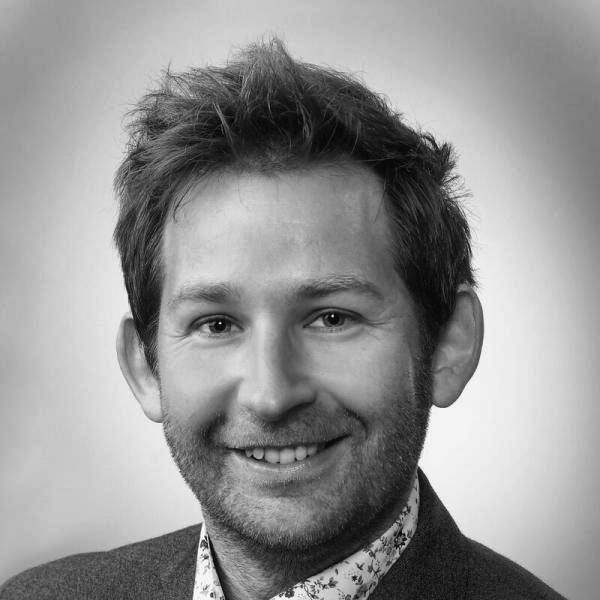
KING Timothy
Timothy King is a Professor of Finance and the Head of the Finance and Financial Accounting Research Group at the University of Vaasa, Finland. His ongoing research focuses on the themes of climate, biodiversity, corporate finance, banking, and corporate social responsibility. He publishes regularly in world-leading journals (e.g., Journal of Corporate Finance, British Journal of Management) and has organized various international conference sessions and conferences. Amongst several notable roles, he has been a research center director at the University of Kent, UK, where he led the Centre for Quantitative Finance. Professor King also serves as an Editor-in-chief for the Multinational Finance Journal and an associate editor at several notable journals.
Envisaged research project(s) for hosting a C4W fellow
Financing and verifying the cleantech transition
Cleantech can only scale if capital reaches it at the right price, and if investors and lenders can trust the environmental claims made for it. I welcome fellows who want to study the financial side of the transition: how banks, investors and firms allocate, price and verify capital for clean technologies. Two projects are envisaged, and fellows are welcome to shape either one.
Project 1: Green credit and the cost of cleantech capital. This project draws on my externally funded work, which pairs interviews with senior bank practitioners with loan-level data on around one million loans. The fellow would ask whether green and cleantech-linked lending carries different default risk, how banks price transition and biodiversity risk, and whether financing constraints slow cleantech adoption among SMEs. The findings feed directly into bank credit policy and EU sustainable-finance regulation.
Project 2: Machine learning for environmental accounting. This project builds on my ongoing Harmonizing Profit and Planet project (2024–2027). It uses machine learning, combined with firm-level and location-based environmental data, to test whether corporate emissions and biodiversity disclosures are credible, flag possible greenwashing, and connect verified environmental performance to firm value and the cost of capital. It speaks to CSRD/ESRS reporting and to the growing environmental footprint of AI in the financial sector.
Why Vaasa. The fellow would join an active finance group with a strong record in top finance and management journals. They would work within Vaasa’s energy-cluster ecosystem, and I have a wide international co-author network across the UK, Europe and beyond. My recent work covers green lending, climate finance and the social cost of carbon, eco-innovation, emissions and employment, and accounting for biodiversity.
Secondment and entrepreneurship. The secondment fits naturally with a bank’s sustainable-finance unit, a cleantech firm in the Vaasa energy cluster, or an ESG data or verification provider. Project 2 in particular could lead to a commercial tool for green-credit assessment or disclosure verification, which suits the Entrepreneurial Pathway. Co-supervision with UMONS colleagues working on industrial decarbonisation is very welcome.
Ideal candidate. A PhD in finance, accounting, economics, environmental economics or data science. Experience with large panel or loan-level data, or with machine learning and geospatial methods, is an advantage. It is expected the successful candidate has a strong research profile and has demosntratebale skills in producing research outputs at 3* and or 4/4* AJG levels and has strong emprical and coding skills.
KING Tatiana
Professor
School of Accounting and Finance
Modal Title
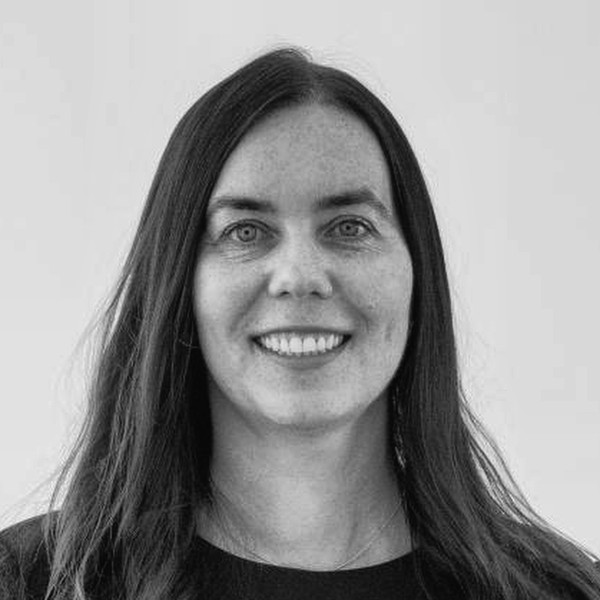
KING Tatiana
Tatiana King’s research explores how digital technologies are reshaping accounting, reporting and finance, with a particular focus on sustainability. Her work on blockchain and AI examines how the technology spreads across the banking sector in different country contexts and what it means for financial reporting and accountability. She studies how companies disclose and manage environmental, social and governance (ESG) performance, including climate risk and biodiversity, and how digitalisation can both improve and distort such reporting. Her current projects draw on interviews with senior banking practitioners to understand whether organisations and citizens act on climate and biodiversity concerns. The aim of this research is to support responsible, transparent and trustworthy use of digital technology in the transformation of the financial sector towards sustainability.
Envisaged research project(s) for hosting a C4W fellow
Envisaged research projects focus on the financial and reporting side of the cleantech transition. The first examines how banks assess and disclose climate and biodiversity risks when financing cleantech, building on ongoing research with senior banking practitioners. The second studies how digital technologies, including blockchain and AI, can strengthen the credibility of sustainability reporting by cleantech firms. Both projects offer a natural secondment in a bank, investor or cleantech company and are supported by an established research group, funded projects and international networks.
LEROY Baptiste
Associate professor
Laboratory of Proteomic and Microbiology
Modal Title
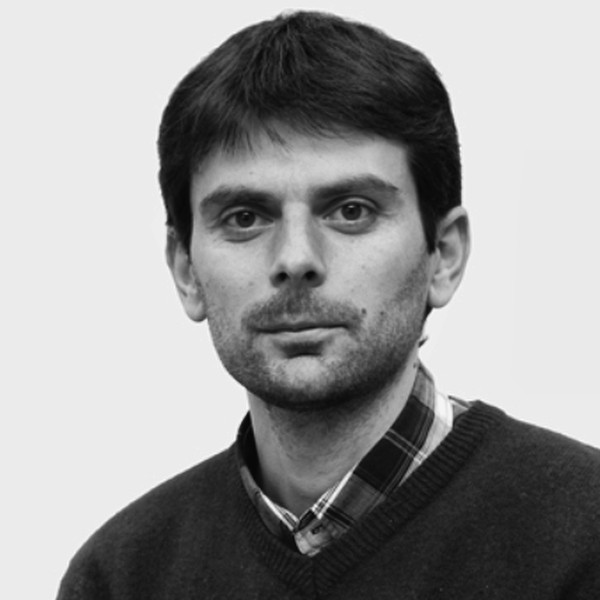
LEROY Baptiste
I am an Associate Professor at the University of Mons, focusing on the metabolism and biotechnological potential of purple bacteria.
My research develops sustainable solutions to convert agro-industrial side streams into high-value nutritional ingredients.
I lead collaborative research projects that bridge microbiology, biotechnology, and industrial innovation.
My ambition is to transform the health ingredients sector by using purple bacteria to upcycle agro-industrial residues into valuable biomass and bioactive compounds.
Through research and entrepreneurship, I aim to accelerate the transition toward a circular, sustainable, and health-oriented bioeconomy.
Envisaged research project(s) for hosting a C4W fellow
Optimisation of food-grade purple bacteria production from agri-food waste, the project might aim at new waste stream identification, improved production, increased automation, improved light capture and utilisation, demonstration of health-promotion.
MAHMOUDI Saïd
Professor
InforTech Institute – Computer Science Department – Faculty of Engineering
Modal Title
MAHMOUDI Saïd
Saïd Mahmoudi is Professor at the Faculty of Engineering of the University of Mons, Belgium. His research focuses on artificial intelligence, image analysis, IoT, and large-scale multimedia data management. He has published over 200 scientific papers and holds editorial roles with Scientific Reports and Multimedia Tools and Applications. He contributed to WalleSmart project (2018–2027), a Walloon Region-funded project developing an interoperable, collaborative digital platform for sharing and jointly processing livestock farming data. He also participated in Road-Step (2018–2025), funded by the Walloon Region, which focused on decision-support systems for monitoring herds in grasslands.
Envisaged research project(s) for hosting a C4W fellow
Develop a secure AI and IoT based platform integrating livestock, environmental, and production data to optimise resource use and support sustainable agriculture and food systems. And evaluate its environmental and economic benefits while ensuring data interoperability, privacy, and energy-efficient processing for responsible agriculture digital transformation.
MÄKELÄ Liisa
Professor
School of Management
Modal Title
MÄKELÄ Liisa
Liisa Mäkelä is Professor at the University of Vaasa and studies contemporary work and organizations. She has an interdisciplinary background in work psychology and management. Her research addresses remote and hybrid work, digital communication and collaboration, leadership, occupational well-being, and work-life dynamics in changing organizational contexts. Through interdisciplinary and internationally oriented research, she explores the human and organizational factors that enable sustainable performance and adaptability.
Envisaged research project(s) for hosting a C4W fellow
Prospective projects addressing human factors in the changing world of work, including new ways of working, future skills, learning and development, sustainable careers, workforce mobility, leadership, and organizational resilience, would fit well within Liisa’s current and emerging research agenda.
MEYER Martin
Professor | Vice Rector
School of Technology and Innovations & InnoLab
Modal Title
MEYER Martin
Martin Meyer is vice-rector for international affairs at the University of Vaasa. He is also a professor of industrial management in the School of Technology and Innovations and a member of the InnoLab research platform. Martin’s research focuses on emerging technologies, technology adoption and knowledge exchange. He is also interested in the bibliometric analysis of science and technology and their interrelationships. Currently, Martin serves as principal investigator of the Finnish contribution to the ASAP Global Center Alliance for Socially-acceptable & Actionable Plants – a multi-year, multidisciplinary research programme, backed by the US National Science Foundation, the Research Council of Finland and their partner agencies in Japan and the UK, to advance the sustainable bio-economy.
Envisaged research project(s) for hosting a C4W fellow
Projects on socio-economic transitions (with a focus on mobility and industry)
MICHEZ Denis
Full Professor
Zoology
Modal Title
MICHEZ Denis
I’m developing studies to globally understand insect diversity and their conservation. My Ph-D field background is Bee Systematics. I published species descriptions and monographies. Now I’m leading projects exploring how biodiversity evolved at population and upper taxonomic levels (species, families) considering fossils, molecular phylogenies, phylogeography and bee-plant chemical interactions. We are also developing research focusing on emergent global threats like climate change and chemical pollution. At an outcome, we are proposing solutions to conserve the ecosystem services associated to insects.
Envisaged research project(s) for hosting a C4W fellow
We are planning to develop project on the eco-toxicology of wild pollinators, and their associated ecosystem services (crop pollination).
MOEYAERT Véronique
Professor
Electromagnetism and Telecommunications
Modal Title
MOEYAERT Véronique
Veronique Moeyaert has her main research interests in the physical layer performance estimation of optical and electrical transmission systems, either analogue or digital, cabled or wireless, but has also interests in the medium access control layer.
Particularly, she is working on bi-directional communications over hybrid fibre optic/copper networks, over radio-over-fiber (RoF) systems, over LiFi communications, over power line telecommunication (PLC) systems (both the power grid and railway signalling), and over the cellular radio RAN, and is also active in the field of wireless IoT and IIoT.
She is supervisor or co-supervisor of 10 PhD thesis (2 ongoing), took part as Jury member to 30 other national or international PhD theses and HDR, and is supervisor of 2 (past) and co-supervisor of 1 (on-going) post-docs.
She published >50 peer reviewed papers in journal and conferences (cf. https://orbi.umons.ac.be/ )
She is or was part of funded industrial collaborative projects as well as inter-universities academic projects funded by EU, Belgian Federal Administration, FWO, Walloon Region or UMONS, and is also involved in North-South academic cooperation.
Envisaged research project(s) for hosting a C4W fellow
– Around physical sensors connectivity (IoT, field busses, 5G, mesh networks, time sensitive networks, …) – generic research with application to fields like : industrial installation, environmental, agriculture, … – project to be discussed together
– Around communications in smart grids (low voltage, medium voltage, high voltage) (power line communications, wireless, ethernet, …) – project to be discussed together
– Around communications using lights (OWC, VLC, FSO, LiFi, ..) – project to be discussed together
– Other ideas of project propositions related to my knowledge is also welcome (cf. https://orbi.umons.ac.be)
ROUSI Rebekah
Professor
Communication Studies, School of Marketing and Communication
Modal Title
ROUSI Rebekah
Rebekah Rousi is a Professor of Communication and Digital Economy, who holds a PhD in Cognitive Science. Rousi’s research field involves studying human experience with and in technology. Recent years have seen her publish widely on topics focusing on ethics and artificial intelligence, human-robot interaction, privacy and trust. She is a Senior Editor of the International Journal of Human Computer Studies, and Scientific Leader of the VME Interaction Environment. Rousi currently serves as the University of Vaasa’s Principal Investigator for the Human-AI interaction and innovation nexus (HUMAIN) thematic infrastructure project, funded by the Research Council of Finland.
Envisaged research project(s) for hosting a C4W fellow
Responsible digital technology – human-centered artificial intelligence and robot research and development for domestic and care spaces; considering ethical concerns and devising pragmatic application of scientifically-driven design principles to avoid or mitigate ethical challenges, while creating new opportunities.
SHAHZAD Khuram
Associate Professor
Industrial Management
Modal Title
SHAHZAD Khuram
Khuram Shahzad works as an Associate Professor of digital innovation in the School of Technology and Innovations at the University of Vaasa, Finland. He earned his PhD in industrial management from the University of Vaasa, Finland. His current research interests concern digital technologies and digital transformation, open innovation, R&D and innovation, innovation ecosystem and orchestration, blockchain, and supply chain management. Throughout his career, Dr. Khuram has demonstrated a strong commitment to research, leading multiple funded projects on digital innovation, entrepreneurship and ecosystems, and energy transitions, and making significant contributions to the field through several publications in peer-reviewed journals. His research has been published in several journals and books of international repute.
Envisaged research project(s) for hosting a C4W fellow
-Socio-economic factors in industrial transformation and the role of digital technologies
-Regenerative Energy Community Ecosystem in Finland
TOUGERON Kévin
Associate professor
Research Institute for Biosciences / Dept. of Biology / Ecology of Interactions and Global Change
Modal Title
TOUGERON Kévin
Kévin Tougeron is an ecologist working at the interface between global change, biodiversity, and the transition towards more sustainable agricultural systems. His research investigates how climate change, land use, and environmental stressors affect insects, their natural enemies, trophic interactions, and the ecosystem services they provide. He develops ecological and agroecological approaches to improve biological control, reduce dependence on synthetic pesticides, and enhance biodiversity within agricultural landscapes. His work combines field experiments, laboratory studies, molecular tools, and ecological modelling to connect fundamental ecological mechanisms with practical solutions for crop protection and resilient food production. Through this interdisciplinary approach, he contributes to the transformation of agriculture towards systems that are more sustainable, biodiversity-friendly, and resilient to environmental change.
Envisaged research project(s) for hosting a C4W fellow
The envisaged research will focus on the development and ecological evaluation of innovative biopesticides for more sustainable crop protection. Particular attention will be given to bio-based compounds derived from plants, microorganisms or agricultural by-products, with the aim of identifying products combining direct activity against crop pests with indirect effects such as the stimulation of plant defence mechanisms. This research will build on ongoing work within the Interreg FWVL Trans-Pest (Biocontrol 4.0, 2024-2029) project, which investigates sustainable pest management and the performance of bioinsecticides under changing environmental conditions. It may also extend towards circular-economy approaches, including the valorization of agricultural residues as sources of new bioprotective compounds. The overall objective will be to develop effective, environmentally compatible crop-protection solutions while assessing their effects on pests, crop plants and beneficial organisms, thereby contributing to reduced reliance on synthetic pesticides and to the transition towards more resilient agroecosystems.
VALDERRAMA Carlos
Professor
Electronics and Microelectronics
Modal Title
VALDERRAMA Carlos
Prof. Carlos Alberto Valderrama Sakuyama is Professor of Electronics and Microelectronics at the University of Mons (UMONS), Belgium. He holds a PhD in Microelectronics from the TIMA Laboratory in France, an MSc in Electrical Engineering from the Federal University of Rio de Janeiro, Brazil, and an Engineering degree from the National University of Córdoba, Argentina. His research focuses on FPGA and reconfigurable computing, embedded systems, hardware acceleration, AI/ML architectures, energy-efficient computing, digital signal and image processing, and System-on-Chip architectures. He has extensive experience in international research collaborations and in the development of hardware architectures for embedded, medical, IoT, high-performance computing and space applications. He is an IEEE Senior Member and has authored numerous scientific publications in the fields of digital electronics, embedded systems and reconfigurable computing.
Envisaged research project(s) for hosting a C4W fellow
The research activities proposed for a C4W fellow will focus on energy-efficient intelligent computing based on reconfigurable digital architectures, FPGA acceleration, AI and adaptive edge/cloud systems. The main objective is to develop computing systems that dynamically adapt their hardware architecture, AI model complexity, numerical precision and operating conditions according to workload, performance requirements and available energy.
A first research direction, Energy-Aware Reconfigurable AI for Sustainable Edge Intelligence (GreenAI-Edge), will investigate FPGA-based AI accelerators combining quantisation, dynamic frequency/voltage adaptation, partial reconfiguration and intelligent runtime optimisation. A second direction, Reconfigurable Carbon-Aware Cloud and Edge Computing (ReCoN), will extend this approach to heterogeneous computing infrastructures, dynamically determining where and how workloads should execute according to energy consumption, carbon intensity, latency and quality-of-service requirements. A third complementary direction, Energy-Aware Onboard AI for Autonomous Space Systems (SpaceEdge-AI), will investigate FPGA-based AI processing for satellites and Earth-observation systems, reducing communication energy and latency through intelligent onboard processing.
The fellow will contribute to the development of energy models, adaptive hardware/software architectures, AI-based optimisation methods and experimental FPGA prototypes, with potential applications in healthcare, industrial IoT, environmental monitoring, sustainable digital infrastructures and space systems. The overarching scientific challenge is to determine the minimum energy required to achieve a required level of intelligence and performance, establishing a common framework linking energy, performance, AI accuracy, communication cost and hardware resources.
The proposed fellowship will provide the fellow with an interdisciplinary research environment combining digital electronics, FPGA and reconfigurable computing, artificial intelligence, embedded systems and energy-aware computing. The fellow will be integrated into the research activities of the Electronics and Microelectronics team at the University of Mons (UMONS), benefiting from access to expertise in hardware/software co-design, FPGA-based prototyping and experimental evaluation of energy-efficient computing systems. The fellowship is intended to establish a long-term research collaboration, with opportunities to develop joint scientific publications, future European research proposals and collaborative projects. The proposed research directions are sufficiently flexible to accommodate the fellow’s specific expertise while maintaining a strong focus on the C4W cleantech objectives of energy efficiency, sustainable digitalisation and intelligent computing. Particular attention will be given to the development of demonstrable research prototypes and measurable improvements in energy consumption, computational performance and AI efficiency, ensuring that the research produces both scientific contributions and potential pathways towards practical applications.
VANDERBULCKE Virginie
Associate Professor
CARE (FWEG) et MIT (FPMS)
Modal Title
VANDENBULCKE Virginie
Virginie Vandenbulcke is an Associate Professor in Technological and Sustainable Entrepreneurship at the University of Mons (UMONS), affiliated with both the Faculty of Engineering and the Warocqué School of Business and Economics.
She holds a PhD in Economics and Management on personalized recommender systems and completed a research stay at Texas State University in Computer Science.
She then conducted a postdoctoral fellowship in Artificial Intelligence at ISIA Lab and worked as Project Manager at CLICK, UMONS’ innovation center.
Her current research focuses on AI, sustainable and technological entrepreneurship, societal and environmental impacts, health applications, and socio-ecological transitions.
Envisaged research project(s) for hosting a C4W fellow
I would like to further develop my research activities in the areas of sustainable technological entrepreneurship, Green AI, and digital sustainability. My current research, including PhD projects on artificial intelligence and degrowth, explores how technological innovation can contribute to environmental sustainability, societal well-being, and positive impact. I am particularly interested in developing responsible and resource-efficient AI technologies (including Edge AI) which aims to minimize computational requirements and energy consumption. My ambition is to investigate how to reduce the ecological footprint of digital technologies while fostering sustainable innovation, digital sobriety and entrepreneurial models that create meaningful environmental and societal value.